

 By Chris Beaven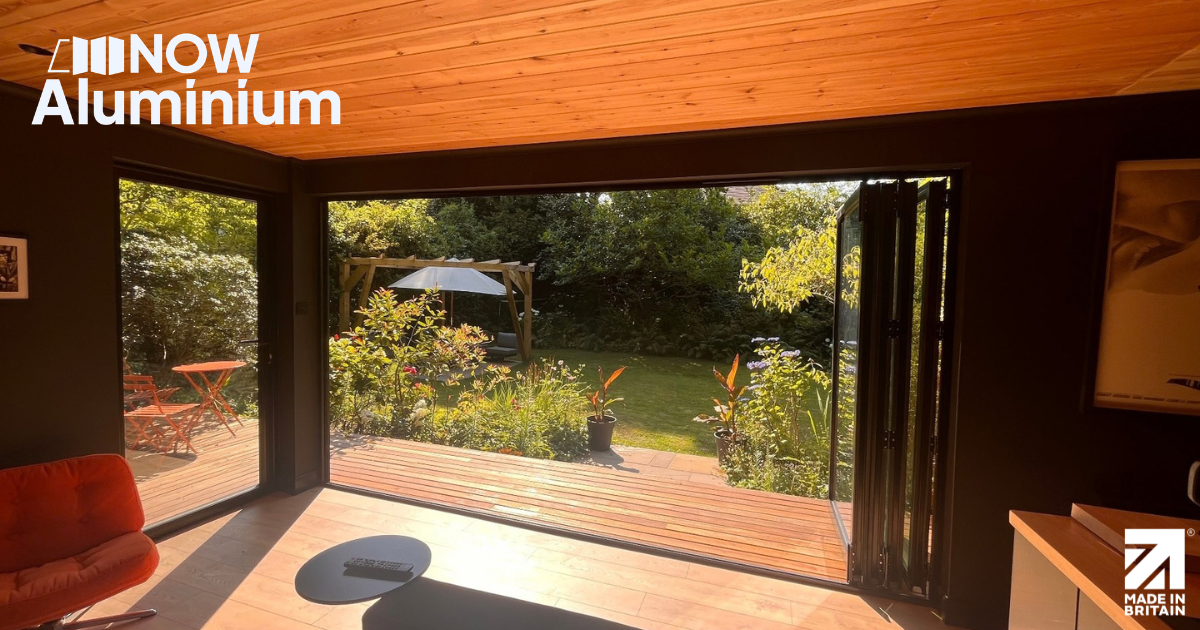
If you're planning a kitchen extension, modernising the rear of your home, or replacing ageing patio doors, you've probably started researching aluminium bi-fold doors.
And along with inspiration photos and colour choices, one question usually comes up very quickly:
How much do aluminium bi-fold doors cost?
It sounds like a simple question. In reality, it's one of the hardest to answer accurately.
That's because no two projects are quite the same. A small opening replacing old patio doors has very different requirements to a five-metre extension opening up an entire kitchen-diner. Equally, two doors that appear almost identical can vary significantly in price depending on the glazing, hardware and manufacturing quality involved.
The good news is that once you understand what influences cost, it becomes much easier to set a realistic budget and compare quotations with confidence.
In this guide, we'll explain what homeowners can expect to pay in 2026 and the key factors that affect the final price.
What Do Aluminium Bi-fold Doors Typically Cost?
Let's get straight to it.
In 2026, aluminium bi-fold doors can cost anywhere from just over £1,000 for a smaller supply-only system to well over £10,000 for a large, fully installed setup with upgraded glazing and bespoke features. Most projects sit somewhere in the middle, with a typical supplied-and-installed system often costing between £3,500 and £7,000, although larger openings and more ambitious projects can exceed that range.
If you've spent any time researching online, you've probably already noticed how difficult it is to get a straight answer on pricing.
That's because the doors themselves are only part of the overall project cost.
Replacing an existing set of French doors with a modest three-panel bi-fold requires a very different budget to opening up an entire rear wall as part of a contemporary kitchen extension.
Same product. Completely different project.
Every Project Is Different
One of the reasons aluminium bi-fold doors remain so popular is their versatility.
They can work equally well in:
- Small garden rooms
- Open-plan kitchen extensions
- Self-build homes
- Rear renovation projects
- Contemporary new builds
- Orangeries and glazed extensions
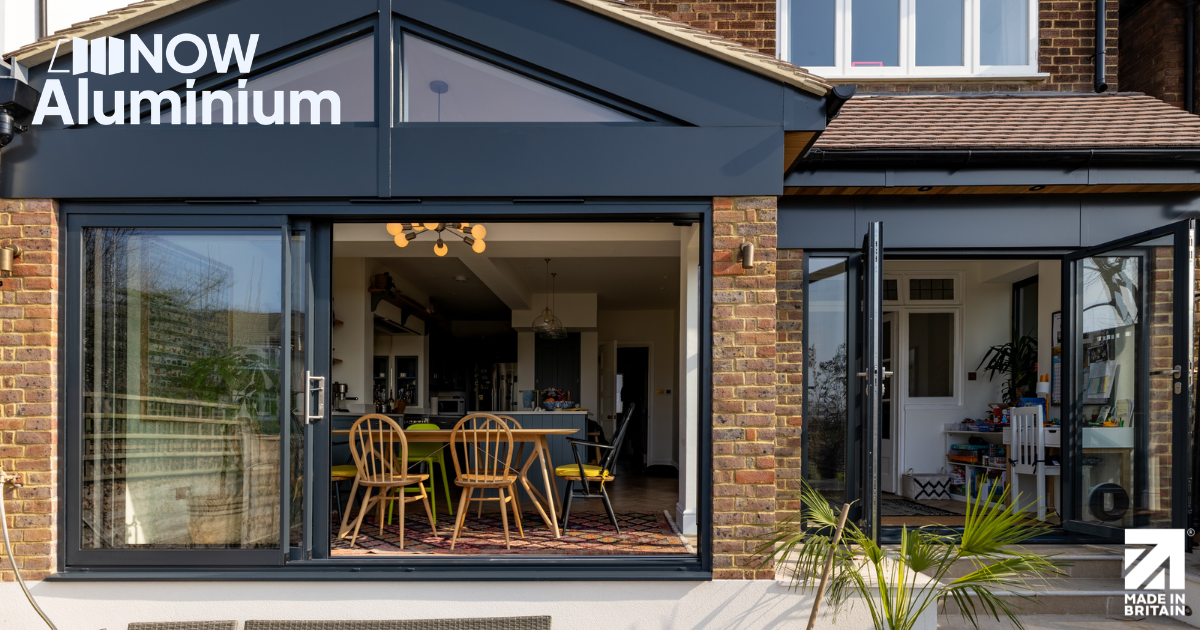
We've seen bi-fold doors used everywhere from compact garden rooms to full-width extension openings stretching across the back of a property.
Same product category. Completely different budgets.
A homeowner creating a 2.5-metre opening to the garden might choose a simple three-panel arrangement. Someone transforming a five-metre rear elevation may require six or seven panels, larger glass units and more advanced structural support.
Both projects involve bi-fold doors, but they're worlds apart in terms of scale and complexity.
That's why accurate budgeting starts with understanding your project rather than searching for a single fixed price online.
Size Has the Biggest Impact on Cost
The width and height of the opening will usually have the greatest influence on price.
Larger openings require:
- More aluminium
- Larger glazed units
- Stronger hardware components
- More complex manufacturing processes
As systems become wider, maintaining smooth operation and structural integrity becomes increasingly important. This additional engineering inevitably increases costs.
For example, replacing existing patio doors within a standard opening is typically far simpler than creating a four-metre opening within a newly extended kitchen and dining space.
Panel Numbers Matter Too
Homeowners often focus on the overall width of a bi-fold door system, but the number of panels plays an important role as well.
Each additional panel introduces:
- Extra rollers
- Additional hinges
- Further locking mechanisms
- More moving parts
The result is a more sophisticated system that requires greater precision during manufacturing and installation.
This is one reason why a wider six-panel system may cost significantly more than a smaller four-panel configuration, even when the difference in size appears relatively modest.

Popular Colours and Finishes
Colour selection can have a surprisingly large impact on both appearance and cost.
Anthracite Grey remains a firm favourite for modern homes thanks to its clean, contemporary appearance, while Black and White continue to be popular across a wide range of property styles.
Many homeowners are now looking beyond standard colours, however.
Bespoke RAL finishes allow bi-fold doors to complement kitchens, flooring, cladding materials or existing windows. Dual-colour options are also increasingly common, allowing one colour internally and another externally.
It's a feature that can transform the overall design, particularly where modern and traditional styles need to work together.
Glass Specification Makes a Difference
Glass accounts for a significant proportion of any bi-fold door system, so it's naturally a major factor when considering cost and performance.
Most modern aluminium bi-fold doors are supplied with high-performance double glazing, which offers excellent thermal efficiency for many homes.
However, some projects benefit from enhanced glazing options such as:
- Triple glazing
- Acoustic glazing
- Solar control glass
- Laminated security glass
- Self-cleaning glass
This is one area where it pays to think about how you actually use the room rather than simply selecting the highest specification available.
For example, there's little point paying extra for acoustic glass if you're surrounded by quiet countryside. On the other hand, if your home sits on a busy road, it could make a noticeable difference to everyday comfort.
The same goes for solar control glass. In a south-facing extension with lots of glazing, it can help keep temperatures more comfortable during warmer months.
The right specification is the one that works for your home and lifestyle, not necessarily the one with the longest list of upgrades.
Not All Bi-fold Door Systems Are Equal
One of the biggest mistakes people make is assuming every aluminium bi-fold door performs the same.
From a distance, many systems look remarkably similar.
The real differences tend to appear when comparing:
- Thermal performance
- Weather testing
- Security credentials
- Hardware quality
- Warranty cover
- Long-term reliability
This is often why some quotations appear significantly lower than others.
The products may look alike on paper, but the specification behind them can be very different indeed. 
Manufacturing Quality Is Often Overlooked
It's easy to focus on visible features such as colour, glazing and overall appearance.
What most people don't see is the manufacturing process behind the finished product.
Accurate fabrication, careful assembly and rigorous quality checks can have a huge impact on long-term performance. A premium system that's poorly manufactured may never operate as intended, regardless of how impressive the specification appears on paper.
In many cases, you're not simply paying for aluminium and glass. You're investing in expertise, quality control and precision engineering.
Those things rarely show up in a brochure, but they're often what separates a great product from an average one.
Don't Forget Installation Costs
Installation costs vary considerably from one project to another.
A straightforward replacement project may only require the removal of existing frames and fitting of the new system. Larger renovations may involve significant building work before the doors can even be installed.
Factors influencing installation costs include:
- Removal of existing doors
- Enlarging openings
- Structural alterations
- Steel beam installation
- Drainage works
- Internal finishing and making good
For this reason, it's important to consider the overall project budget rather than focusing exclusively on the cost of the doors themselves.
Supply Only Can Be a Cost-Effective Option
For homeowners looking to maximise value, choosing a supply-only aluminium bi-fold door system can often be one of the most cost-effective approaches.
Rather than purchasing a fully installed package, many homeowners choose to arrange installation separately, whether that's through a trusted local builder, an independent door fitter, or as part of a wider renovation project already underway.
By separating the product and installation costs, it's often possible to achieve meaningful savings while still benefiting from a high-quality aluminium bi-fold door system.
For homeowners already working with a builder on an extension, renovation or self-build project, this approach can be particularly attractive. Installation can be coordinated alongside other building works, helping to streamline the project while maintaining greater control over the overall budget.
Of course, correct installation remains essential. Bi-fold doors are precision-engineered products, and their long-term performance, smooth operation and weather resistance depend heavily on accurate fitting. That's why it's important to use an installer with experience of aluminium glazing systems.
For many homeowners, purchasing direct from a specialist supplier and arranging installation independently can represent an excellent balance between product quality, flexibility and overall project cost.
Is It Worth Paying More?
Often, yes.
That doesn't mean the most expensive quote is automatically the best option. Far from it.
But there's usually a reason why one system costs more than another.
- Better rollers
- Better locking systems
- Better thermal performance
- Higher quality manufacturing
- More rigorous testing
The trick isn't finding the cheapest quote. It's understanding why the prices are different.
Bi-fold doors are something you'll use almost every day. If they're difficult to operate, prone to adjustment issues or don't perform particularly well when the weather turns, you'll notice.
That's why value and price aren't always the same thing.
Getting the balance right between budget, quality and long-term performance is usually money well spent.
Are Aluminium Bi-fold Doors Worth the Investment?
For many homeowners, absolutely.
Unlike some home improvements that only offer subtle benefits, bi-fold doors can fundamentally change how a space is used.
They help create:
- Brighter living spaces
- Better views of the garden
- Stronger indoor-outdoor connections
- Modern architectural appeal
- Low-maintenance convenience
- Long-term durability
- Excellent energy efficiency
It's why they're frequently one of the first products considered when planning extensions and major renovation projects.
Final Thoughts
There's no such thing as a standard bi-fold door price.
Every opening is different. Every home is different. Every project comes with its own priorities. For some homeowners, a fully installed package offers complete convenience. For others, purchasing a quality supply-only system and arranging installation separately can be an effective way to reduce overall project costs without compromising on the product itself.
That's why comparing quotations on price alone rarely tells the full story.
Instead, take a closer look at what's included. Check the performance figures. Ask questions about warranties, manufacturing standards and installation methods. Spending a little more time researching at the start can save a lot of frustration later.
The good news?
Quality aluminium bi-fold doors have earned their popularity.
They bring in more daylight. They create better views. They help blur the line between home and garden. And when they're chosen well, they can completely change how a space feels and functions.
For many people, they're the feature that turns a good extension into a great one.
The research and insights in this article were informed by a combination of manufacturer guidance, installer expertise, glazing industry publications and homeowner resources.